Slide

Neuralgic Amyotrophy

Slide

Neuralgic Amyotrophy
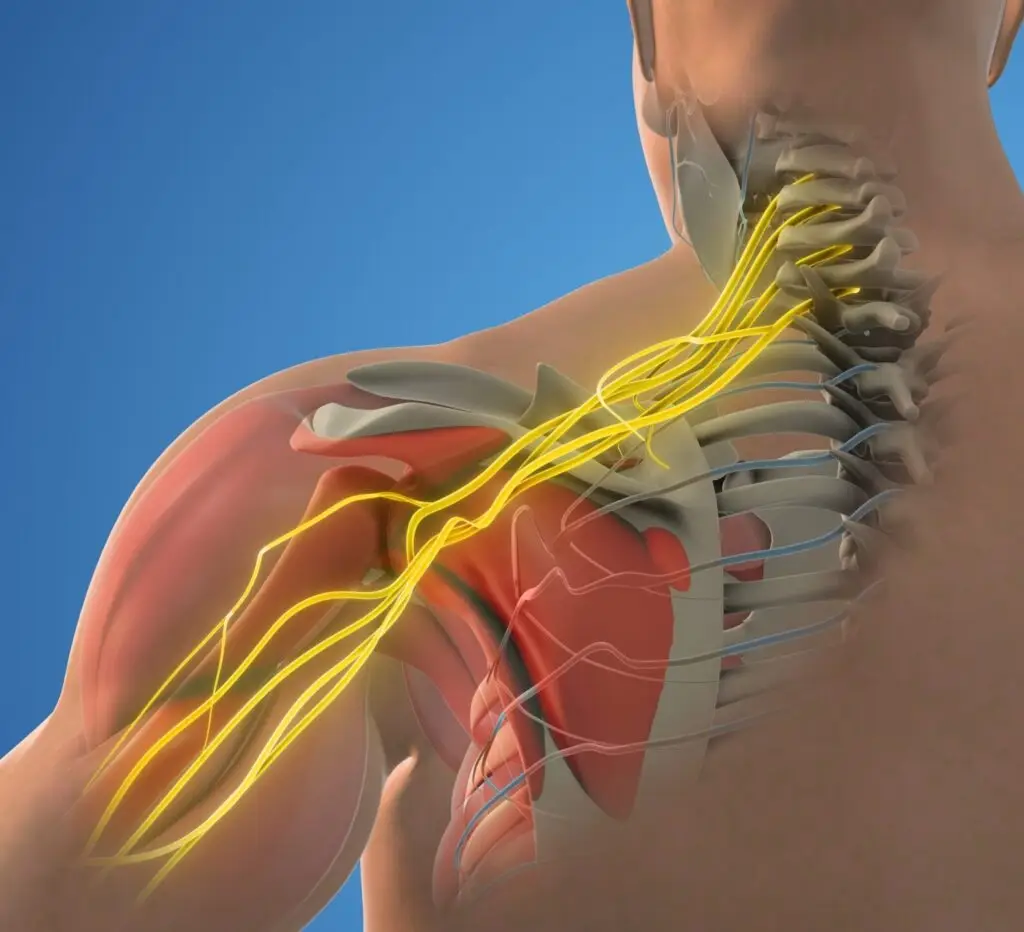
WHAT IS Neuralgic Amyotrophy

WHAT IS Neuralgic Amyotrophy

Neuralgic Amyotrophy (NA), also known as Parsonage Turner Syndrome (PTS) or brachial neuritis, is a nerve disorder that affects the shoulder and arm. It happens when the immune system — the body’s defense system — accidentally attacks the nerves in the shoulder area. This causes sudden, severe pain followed by muscle weakness.

The nerves most often affected are part of a network called the brachial plexus, which controls movement and feeling in the shoulder, arm, and hand. This condition can look a lot like other problems (like a pulled muscle or a pinched nerve in the neck), which is why it often takes a long time to get the right diagnosis.

There are two forms of NA. The idiopathic form means there is no known genetic cause — it seems to happen on its own. The hereditary form runs in families and tends to start at a younger age, sometimes even in childhood.

Who Gets It — and What Can Trigger It?

Who Gets It — and What Can Trigger It?

Anyone can develop NA, but it’s more common in men and most often begins around age 41. Children can also develop it — especially those with the hereditary form.

In many cases, something seems to “trigger” the immune system before symptoms begin. This trigger usually happens in the weeks before the pain starts. Common triggers include:

Illness

A flu-like illness or infection in the weeks before symptoms appear.

Vaccination

A recent vaccine can sometimes act as a trigger for the immune system.

Surgery

A surgical procedure anywhere in the body may precede the onset.

Childbirth

Giving birth has been linked to triggering NA in some cases.

Minor Injury

A small injury or physical trauma may set things off.
brachial plexus

Often Misdiagnosed

Because the symptoms of NA look a lot like a shoulder injury, a pulled muscle, or a pinched nerve in the neck, patients are often given the wrong diagnosis at first. On average, it takes about 44 weeks — nearly a year — before someone gets the correct diagnosis. If you’ve been told it’s a shoulder or neck problem but treatment isn’t helping, ask your doctor about NA.

SYMPTOMS: WHAT DOES NA FEEL LIKE?

SYMPTOMS: WHAT DOES NA FEEL LIKE?

The condition usually follows a clear pattern. First comes intense pain, then weakness. Here’s what to expect:

  • Sudden, Severe Pain

    The pain hits fast — often in the middle of the night — and is felt around the shoulder and upper arm. It's often described as burning, stabbing, or aching. This nighttime onset is one clue that separates NA from other conditions.

  • Pain Begins to Ease (Days 7–10)

    After about one to two weeks, the severe pain usually starts to go away. But as the pain fades, a new problem appears: muscle weakness.

  • Muscle Weakness Appears

    The shoulder, arm, and hand can become weak. This weakness often affects multiple muscles and nerves at the same time — not just one area. Common muscles involved include the serratus anterior (which stabilizes your shoulder blade) and the infraspinatus (which helps you rotate your arm).

  • Numbness or Tingling

    About 3 out of 4 people also notice numbness, tingling, or other strange sensations in the arm or hand. These don't always match exactly where the weakness is.

Other Symptoms You May Notice
  • Winged shoulder blade (sticks out from the back)
  • Trouble lifting your arm
  • Difficulty making an “OK” sign with your fingers
  • Muscle fatigue that comes on quickly
  • Abnormal shoulder blade movement
  • Decreased grip or pinch strength
  • Breathing difficulty (in rare cases, ~10%)

Dr. Poncelet describes how NA patients often present

Lightbulb

One Episode — But It Can Come Back

NA typically happens as a single episode (called a “monophasic course”). However, it can recur. About 1 in 4 people with the common form have a second episode. In the hereditary form, recurrences are much more frequent — up to 3 out of 4 patients experience multiple episodes.

HOW IS NA DIAGNOSED?

SURGICAL TREATMENTS FOR HEADACHES

There’s no single simple blood test for NA. Doctors usually diagnose it based on the pattern of symptoms — the sudden nighttime pain, followed by weakness. When the picture is very clear, no further testing may be needed.

If the diagnosis isn’t certain — or if the doctor wants more information about nerve damage to plan treatment — they may order one or more of these tests:

EMG / Nerve Conduction Study

This test measures how well your nerves and muscles are working by sending tiny electrical signals. It finds abnormalities in about 96% of NA patients.

MRI Neurography

A special type of MRI that takes detailed pictures of the nerves. It can reveal swelling and, in some cases, show “hourglass” shaped pinches along the nerve.

Nerve Ultrasound

Uses sound waves (like an ultrasound in pregnancy) to look at the nerves. Can show swelling or unusual narrowing of the nerves.
Magnifying-glass

Watch Out for Misleading Results

An MRI of the neck (cervical spine) may show age-related wear-and-tear changes in more than half of patients — even if those changes are not causing the problem. It’s important that your doctor connects test results to your actual symptoms, not just what shows up on imaging.

TREATMENT

Treatment depends on which phase of the condition you’re in. The main goals are to control pain early on, focus on proper movement and when it is appropriate rebuild strength over time.

Early Phase (Weeks 1-4)
  • Strong anti-inflammatory pain medicines (NSAIDs) for pain relief

  • Short-term opioid pain medication for severe pain

  • Corticosteroids (like prednisone) — recommended within the first 4 weeks to reduce nerve inflammation

  • IVIG (intravenous immunoglobulin) — an alternative if steroids can't be used

  • Nerve pain medications if pain continues

Recovery Phase (Months onward)
  • Physical therapy to restore range of motion and strength

  • Occupational therapy focused on daily activities

  • Motor retraining — learning to move the shoulder correctly again

  • Energy conservation strategies — learning to pace yourself

  • Ergonomic adjustments at work or home

  • Psychological support to cope with the emotional impact

Special Situations
  • Breathing Problems – About 1 in 10 patients develops weakness in the phrenic nerve, which controls breathing. A breathing machine (BiPAP) or breathing exercises may help.
  • Winged Shoulder Blade – A sling or brace can help short-term. It’s still important to gently move the arm to prevent stiffness. It is especially important after the acute phase to focus with skilled physical therapy on proper movement and avoiding overuse of the shoulder.
  • Surgery (If Needed) – If there is no sign of nerve healing after 6 months, surgery may help. Options include releasing scar tissue around the nerve, nerve transfer, or tendon transfer.

Don’t “Push Through the Pain”

Many patients — especially athletes — are used to working through discomfort. With NA, this strategy backfires. Overworking damaged nerves and muscles can cause more harm. Learning to listen to your body, rest when needed, and move correctly is one of the most important parts of recovery.

RECOVERY: WHAT DOES THE FUTURE LOOK LIKE?

RECOVERY: WHAT DOES THE FUTURE LOOK LIKE?

Recovery from NA is possible, but it takes time — often months to years. The outlook is not always as good as doctors once believed, and many people continue to have some symptoms long after the initial episode.
  • Patients who continue to have some symptoms long-term – About 2 out of 3 people (67%) still have weakness, tingling, or fatigue after recovery
  • Patients with the idiopathic form who have at least one recurrence – About 1 in 4 people (25%) will experience a second episode
  • Patients with the hereditary form who have multiple recurrences – About 3 out of 4 people (75%) with the hereditary form have repeated episodes

Video Placeholder

Long-term symptoms can include persistent weakness, tingling, reduced muscle endurance, abnormal shoulder movement, and fatigue. Secondary problems — like tendon irritation in the shoulder — can also develop over time.

The brain can also develop movement habit problems over time. When the shoulder is injured, the brain rewires how it moves the shoulder. Even after the nerve heals, these faulty movement habits can linger and cause ongoing pain and fatigue. This is why proper physical therapy — focused on retraining the brain and muscles to move correctly — is such an important part of care.

Getting the Right Support

NA can be physically and emotionally exhausting. Patients often deal with frustration, anxiety, and loss of function — especially if it took a long time to get diagnosed. Psychological support and connecting with others who have NA can make a real difference in recovery. Don’t hesitate to ask your healthcare team about mental health resources.

OTHER RESOURCES

For Clinicians

For Therapists

For Neurologists

If you think you might have a nerve problem, use our directory to identify a nerve expert to contact. 

PAGE CONTRIBUTORS

PAGE CONTRIBUTORS

The content on or accessible through globalnervefoundation.org is for informational purposes only. This information is not a substitute for professional advice or expert medical services from a qualified healthcare provider

Thank you for visiting the Global Nerve Foundation! Please Click below to joining our mailing list to stay informed!